

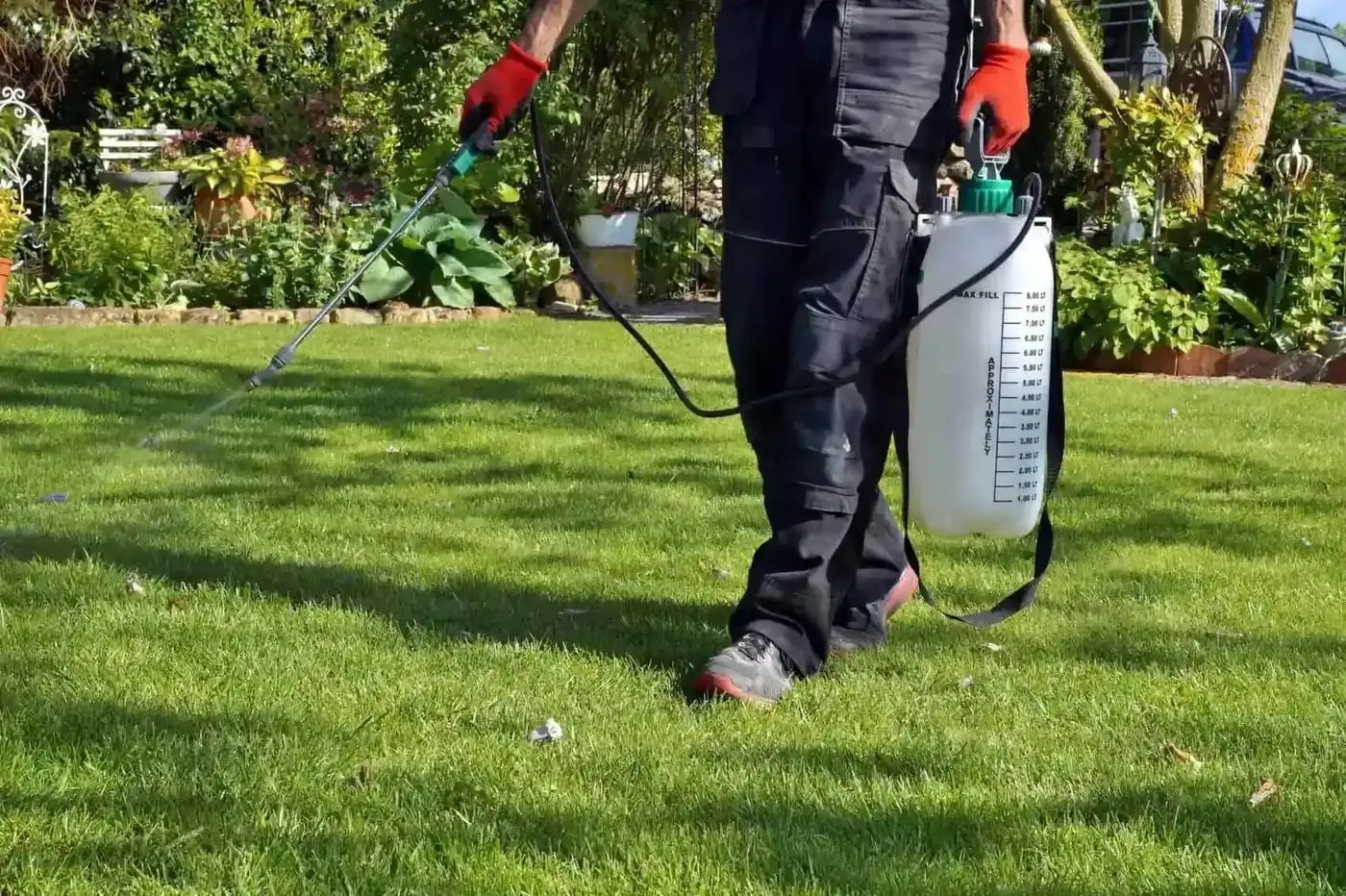
On October 1 the summer fertilizer restriction lifted across Hillsborough, Pinellas and Pasco counties. For most Tampa Bay lawns that ends a four month stretch with no feeding at all, and it opens what is genuinely the most important application of the year.
Here is what your lawn needs this month, and in what order.
First, the rule itself
From June 1 through September 30, those counties prohibit applying fertilizer containing nitrogen or phosphorus to lawns and landscape plants. It is not arbitrary. Our summer storms are heavy enough to wash a fresh application off the grass and into the storm drain system within hours, and from there it reaches the bay, where the extra nutrients feed algae. Penalties for violating the ordinance run high, and more to the point the rule is sound.
What it also means is that by the time October arrives, your lawn has gone through the hottest, wettest, most stressful stretch of the Florida year with nothing added. Heat stress, disease pressure, heavy rain leaching what was already in the soil, and foot traffic. Most lawns come out of September genuinely depleted.
Why the fall feeding is the one that matters
It is tempting to think of fertilizer as something that makes the lawn green for a few weeks. The fall application is doing something different and more valuable.
As day length shortens and temperatures ease, warm season grasses like St Augustine and Zoysia slow their top growth and shift energy into the root system. Feed them during that window and you are not pushing blade growth, you are helping the plant build and store reserves that it will live on through the cool season and draw on to come out of dormancy in spring.
That is why this single application has more to do with how your lawn looks in March than anything you do in March. A lawn that enters winter with reserves greens up early and fills in fast. A lawn that enters winter depleted spends the spring struggling, and that is usually the point at which someone concludes they need to replace the sod, when what they actually needed was a feeding in October.
Then turn the irrigation down
This is the step almost everyone skips, and it can undo the feeding.
Most controllers in the area are still running whatever schedule was set in June. But the lawn is losing far less water now than it was eight weeks ago, because the days are shorter and the nights are cooler. The same twenty minutes per zone now delivers considerably more than the grass can use.
The problem is not mainly the water bill. Fall is fungus season in Tampa Bay, and the single biggest driver of lawn fungus is a canopy that stays wet. Large patch in particular gets going in exactly these conditions, warm soil, cooler air, and turf that never fully dries. Overwatering in October does more harm than underwatering.
Three adjustments worth making:
Reduce run times and judge by the lawn, not the calendar. If it is not showing stress, you have not gone too far.
Water in the early morning so the blades dry within a few hours. Evening watering leaves the canopy wet for ten hours or more, which is precisely what fungus wants.
Test the rain sensor. They fail silently, and a failed sensor means the system runs straight through a storm.
Watering day restrictions vary by county and sometimes by address, so confirm your current schedule before reprogramming.
While you are out there, check for insects
October is still active for chinch bugs, and their damage is routinely mistaken for drought stress, which leads people to water a problem that watering makes worse.
The difference is straightforward. Drought stress recovers within a day or two of a good watering. Chinch damage does not, and it keeps spreading outward. It starts in the hottest, driest, sunniest ground, so look along driveways, sidewalks and south facing walls first.
The tug test confirms it. Grip the grass at the edge of the damage where yellow meets green and pull gently. Healthy turf resists. Turf that has been fed on lifts easily, because the runners underneath have been damaged.
The order that works
Sort the water first, feed second, treat insects if they are present, and leave sod replacement until last. Laying new sod over a drainage problem or an untreated insect population is the most expensive way to discover the underlying cause.
Our fertilization and pest control programs cover the Odessa, Lutz, Land O Lakes, Trinity and Westchase area, and if the wet areas are the real issue, irrigation and drainage is where to start instead.
(813) 920-8041