

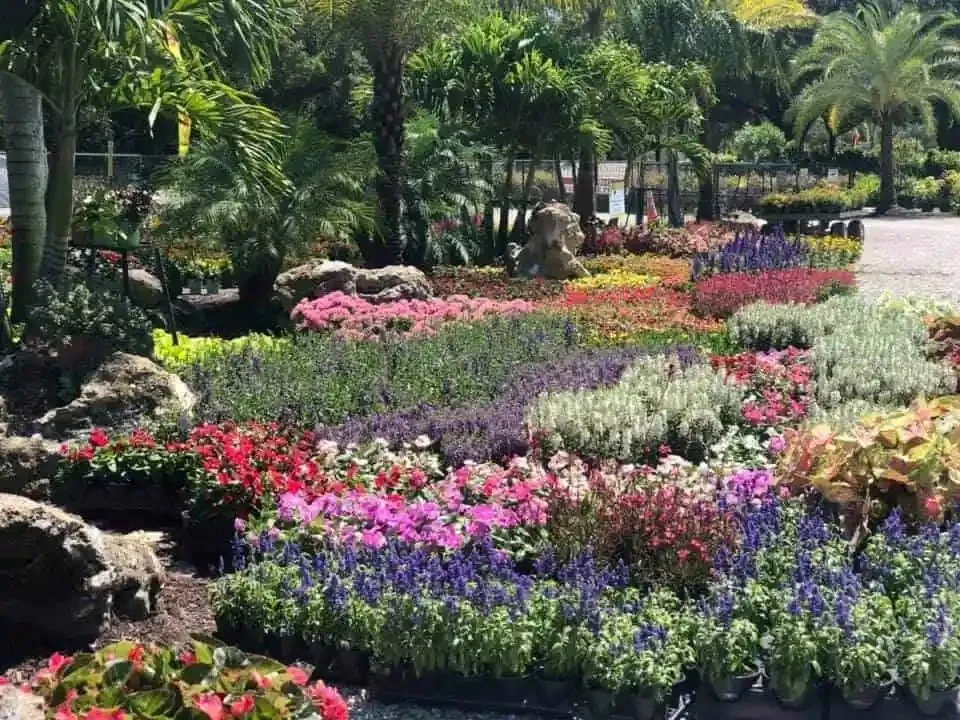
Every Florida gardener has a story about a plant that looked perfect at the store and then sulked, scorched, or rotted within a season. Almost always, the plant was healthy. It was simply the wrong plant for that spot. The single most useful idea in Greater Tampa Bay gardening is "right plant, right place," the cornerstone of the University of Florida's Florida-Friendly Landscaping program. Get the match right and a plant practically takes care of itself. Get it wrong and no amount of fertilizer or fussing will save it.
Start with the place, not the plant
It's tempting to fall for a plant first and figure out where it goes later. Flip that order. Walk the spot you want to fill and read its conditions honestly, because those conditions, not your wish list, decide what will thrive.
- Sun and shade. Watch the area across a day. Full sun means six or more hours of direct light, part shade is dappled or a few hours, and full shade is little to none. A sun-lover stuck under an oak gets leggy and weak; a shade plant in open afternoon sun simply burns.
- Soil and drainage. Much of our region sits on fast-draining sandy soil, though low spots and new construction can hold water. After a hard rain, see whether the spot drains in an hour or stays soggy. Drought-tough plants resent wet feet, and moisture-lovers struggle in pure sand.
- Salt and wind. Closer to the coast or an exposed corner, salt spray and wind narrow your choices. Salt-tolerant species shrug it off while tender ones brown at the edges.
- Mature size. Picture the plant full-grown, not the size in the pot. Crowding a foundation with something that wants to be ten feet wide only leads to constant shearing.
Know your zone
Greater Tampa Bay falls roughly in USDA Hardiness Zone 9b to 10a, which means winters are mild but a hard frost is still possible some years, especially inland around Odessa, Lutz, and Land O' Lakes. That zone supports a wonderful mix of subtropical and warm-temperate plants, but it pays to choose cold-hardy selections for low, inland pockets where cold air settles on the coldest nights.
Florida-hardy choices that earn their keep
You don't need an exotic collection to build a beautiful, resilient landscape. A handful of dependable, well-adapted plants does most of the work. A few favorites for our area:
Shrubs and hedges
- Viburnum for a fast, full privacy hedge that takes our heat and humidity in stride.
- Podocarpus when you want a tidy, upright evergreen screen that shears cleanly.
- Simpson's stopper, a tough Florida native with fine foliage, fragrant flowers, and berries that feed birds.
Palms for structure
- Sabal palm, the Florida state tree, native, supremely hardy, and effortlessly local.
- Sylvester (silver date) palm for a refined, formal accent.
- Foxtail palm for a lush, plumed look in spots protected from the hardest cold.
Groundcovers and flowering color
- Groundcovers such as perennial peanut or sunshine mimosa knit beds together and cut down on mulch and mowing.
- Florida-friendly flowering options like firebush, plumbago, and muhly grass bring color and pollinators without constant babying.
This is a starting point, not a rulebook. The best choice always comes back to the specific place, your sun, your soil, your exposure, and how much time you actually want to spend maintaining it.
Why local, acclimated stock matters
Where a plant is grown is as important as which plant you pick. Stock trucked in from out of state is often raised in different soil and a different climate, then asked to adjust to Florida's heat, sand, and rain all at once. That shock shows up as transplant stress and slow establishment.
Plants grown right here are a different story. At our 20-acre nursery in Odessa, the trees, palms, and shrubs are already living in Tampa Bay conditions before they ever reach your yard. They are acclimated, so they settle in faster and shrug off our weather more readily. Because the nursery is open to the public, you can also walk the rows, see the exact specimen you're buying, and compare sizes and forms in person rather than guessing from a tag.
A quick tip before you buy: bring a few photos of the planting spot, note which way it faces, and jot down how much sun it gets. With those details, our team can point you to plants that will genuinely thrive there, instead of ones that merely look nice on the shelf.
Let us help you choose
Choosing well the first time saves money, water, and the frustration of replacing plants that were never suited to the spot. As a certified woman-owned, family-operated company that has worked in Tampa Bay landscapes for more than 25 years, we're happy to share what actually performs here. Visit the nursery for hands-on guidance, or if you'd rather start with a plan for the whole yard, our residential landscaping team can design and install a landscape built around the right plants for your conditions.