

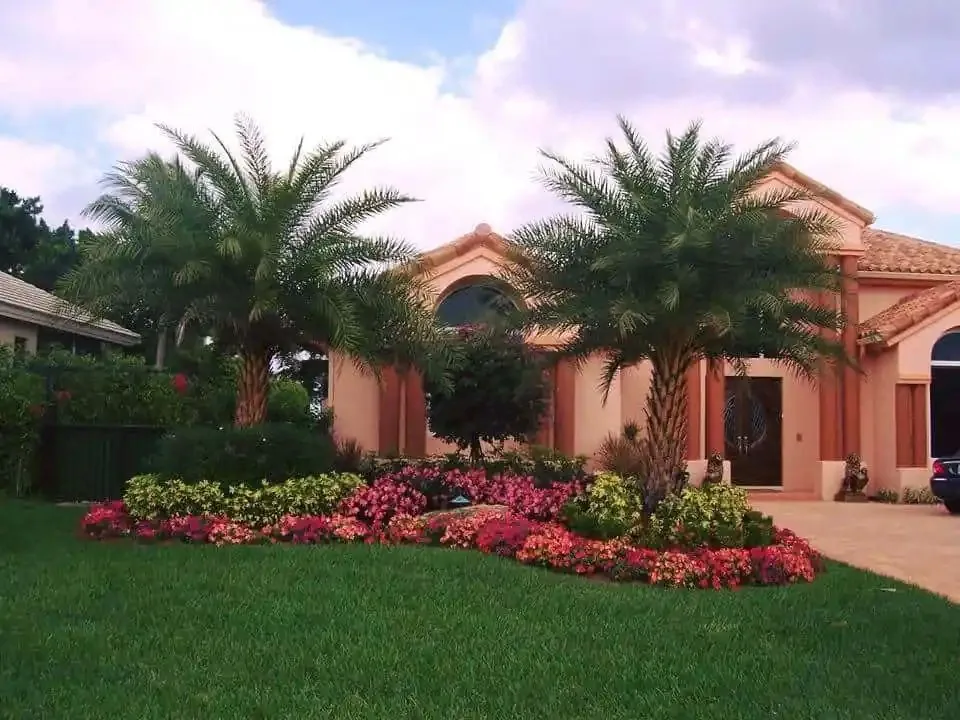
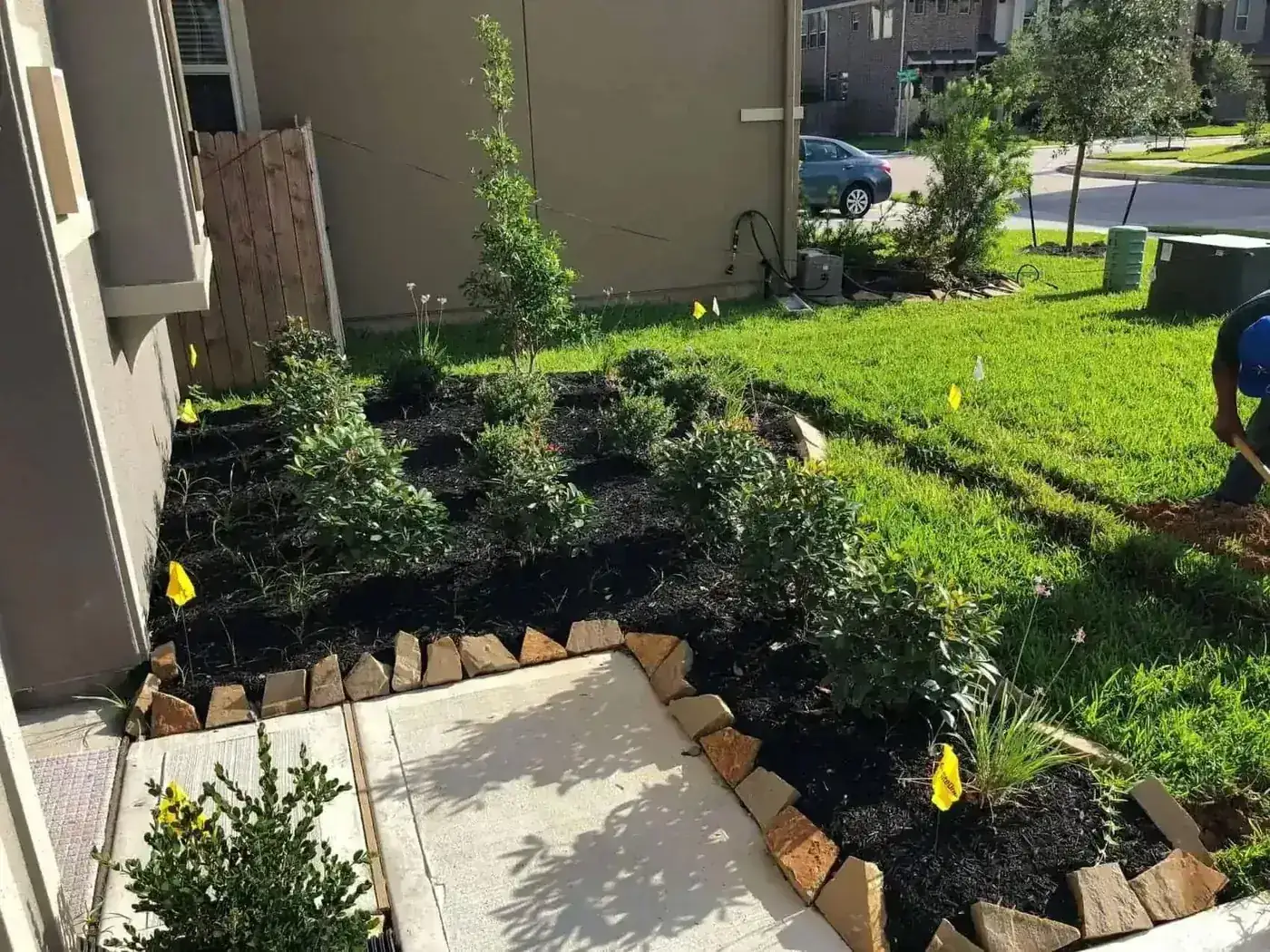
If you moved to the Tampa Bay area from somewhere with real snow, our winters can feel like a non-event, and in many ways they are. Most days from December through February are pleasant, the lawn keeps a little color, and you can still work outside comfortably. But our region does see occasional cold snaps, and a single overnight frost or freeze can damage tropical plants that would sail through the rest of the year. A few simple habits go a long way toward keeping your landscape healthy until spring.
Protect cold-sensitive tropicals and palms
The plants most at risk here are the tender tropicals we love for that lush, resort-like look: things like crotons, hibiscus, bougainvillea, and some of the more cold-sensitive palms. When a frost or freeze is in the forecast, a little preparation can make the difference between a plant that bounces back and one you have to replace.
- Cover them before nightfall. Drape frost cloth, an old sheet, or a light blanket over vulnerable plants and let it reach the ground so it traps warmth from the soil. Remove the cover the next morning once temperatures climb.
- Water before a freeze. Moist soil holds and releases heat better than dry soil, so giving beds a good drink the day before a cold night helps insulate roots.
- Wait to prune cold damage. It is tempting to cut back browned, mushy foliage right away, but that damaged growth actually shields the healthy tissue beneath it from the next cold night. Hold off on pruning until the danger of frost has passed in spring, then trim back to live wood.
Newly installed plants and anything in a container are especially vulnerable, since their roots are less established and more exposed. Move pots against the house or under cover when a hard freeze threatens.
Ease back on your warm-season lawn
Most Tampa Bay lawns are warm-season turf such as St. Augustine or Zoysia, and these grasses slow down and go semi-dormant in the cooler months. Your lawn is not dying, it is simply resting, and your care routine should follow its lead.
- Mow less often and a little higher. Slower growth means fewer mows. Keeping the blade slightly higher protects the crown of the grass through cold spells.
- Dial back the water. Shorter days, cooler temperatures, and lower evaporation mean your lawn needs far less irrigation than it does in summer. Overwatering a dormant lawn invites fungal problems.
- Hold off on heavy fertilizing. Pushing a semi-dormant lawn with a heavy feed wastes product and can stress the grass. Save the bigger nitrogen applications for spring when the turf is actively growing again. If you want a year-round plan that times feeding correctly, our fertilization and pest control program is built around our local growing seasons.
Add cool-season color
Winter is actually one of the best times of year to bring fresh color into Tampa Bay beds and containers. While the tropicals rest, cool-season annuals come into their own and will bloom right through the mild winter and into spring.
- Petunias for cascading color in beds and hanging baskets.
- Snapdragons for vertical interest and a long bloom window.
- Pansies for cheerful, frost-tolerant color in borders and pots.
These annuals love our cooler nights and reward you with weeks of bloom when much of the rest of the yard is quiet. We grow seasonal color at our on-site nursery, so it is easy to refresh a few beds without a big project.
Why winter is prime time for bigger projects: with the heat and humidity gone and plant growth slowed, the cooler months are an ideal window for the work that is hard to do in a Florida summer, and your landscape recovers with less stress.
Take advantage of the cool months for projects
Cooler, drier weather is a gift if you have been thinking about improving your outdoor space. There is less demand on plant roots, the ground is easier to work, and crews can do more in a day without the brutal midday heat.
- Hardscape projects. Patios, walkways, and other hardscape are far more pleasant to install in winter, and you will have them finished and ready to enjoy by spring.
- Tree pruning. Many trees are best pruned in the dormant season, when their structure is easy to read and the cuts heal cleanly before the spring flush.
- Planting trees and shrubs. Winter is a great time to plant new trees and shrubs. With top growth slowed, the plant can put its energy into establishing roots, so it is well anchored before the demands of the next growing season.
If a full refresh is on your list, our residential landscaping team handles design and installation start to finish, with plants grown right here in Odessa and already acclimated to our climate.
A few finishing touches
Two small steps round out a winter-ready landscape. First, refresh the mulch in your beds. A two to three inch layer insulates roots against cold snaps, holds moisture, and keeps things looking tidy through the quieter season. Second, adjust your irrigation for the shorter days. Cut back run times and frequency to match the lower water demand, and remember to skip watering on the nights a freeze is expected so foliage is not left wet and exposed.
None of this is complicated, and that is the point. A mild Tampa Bay winter does not ask much of your yard, just a little attention at the right moments and a willingness to use the cool season to your advantage. Do that, and your landscape will come into spring healthy, full, and ready to grow.
Back to all articles