Florida landscaping is moving in a clear direction: yards that look great year-round, drink less water, ask less of their owners, and work as true outdoor living space. After 25+ years designing and building landscapes across Tampa Bay, we see the same priorities show up again and again, and they all point toward smarter, more resilient design. Here is where Florida yards are heading, and how a thoughtful design-build approach helps you get there.
Florida-Friendly Landscaping is the new baseline
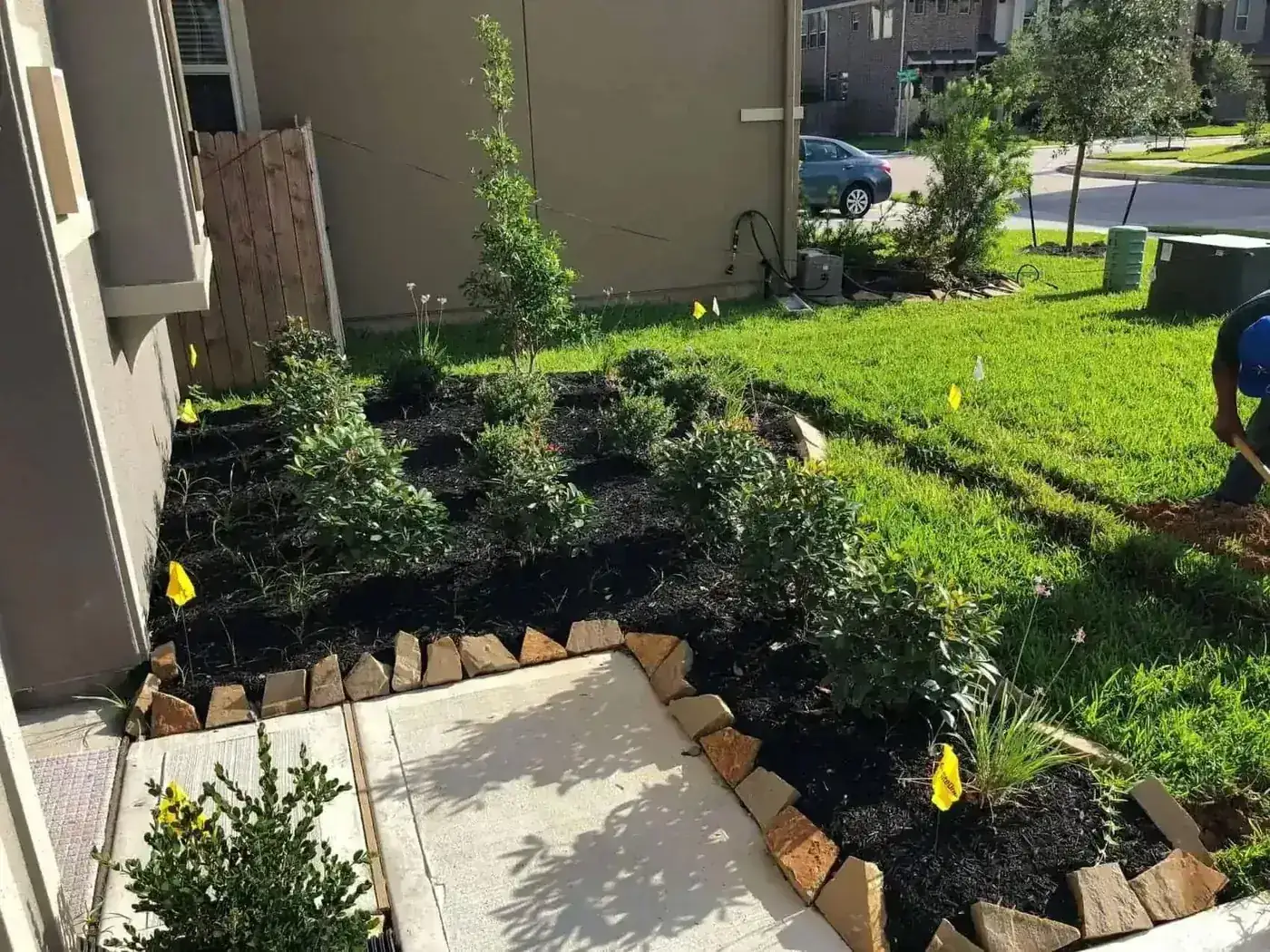
The principles of Florida-Friendly Landscaping (FFL), developed through the University of Florida IFAS Extension, have shifted from a niche idea to the standard most homeowners now expect. The core idea is simple: put the right plant in the right place, water and fertilize only when needed, and design beds that work with Florida's sandy soils, heat, and rain cycles instead of fighting them. In practice that means grouping plants by their water needs, mulching to hold moisture, and creating beds that stay healthy with far less intervention. A yard built on these principles tends to look better in August than a fussier landscape does, because it was designed for the conditions it actually lives in.
Native and drought-tolerant plants take center stage
The biggest visible shift is in the plant palette. More homeowners are asking for Florida-native and drought-tolerant species, and for good reason. Natives are adapted to our climate, so once established they need less water, less fertilizer, and less fuss, and they support local pollinators in a way imported ornamentals often cannot. That does not mean a wild look: a well-designed native landscape can be just as polished as any tropical garden, leaning on plants that belong here like muhly grass, coontie, firebush, beautyberry, and saw palmetto, then layering in the right palms and accents for structure.
Because we grow our own stock at our 20-acre Odessa nursery, the trees, palms, and shrubs we plant are already acclimated to Tampa Bay's heat, sand, and rain before they ever reach your yard. Acclimated, locally grown plants establish faster and survive transplant far better than stock trucked in from another climate.
"The future of Florida landscaping is a yard that looks beautiful, uses less water, and largely takes care of itself."
Water conservation and smart irrigation
Water is the quiet theme behind nearly every trend on this list. With watering restrictions a routine part of life across Tampa Bay counties, efficient irrigation has gone from a nice-to-have to a design requirement. The clearest upgrade is the controller. Smart, WiFi-enabled irrigation controllers use local weather data and soil-moisture input to water only when the landscape actually needs it, skipping cycles after rain and adjusting through the seasons automatically. Paired with drip irrigation in beds and properly zoned spray heads, a smart system can noticeably cut water use while keeping plants healthier than a fixed timer ever could.
- Weather-based scheduling that skips watering after rain
- Drip lines in beds to deliver water at the root, with less evaporation
- Zoning that matches each area to its real water needs
- Rain and soil sensors that prevent overwatering
Outdoor living spaces as an extension of the home
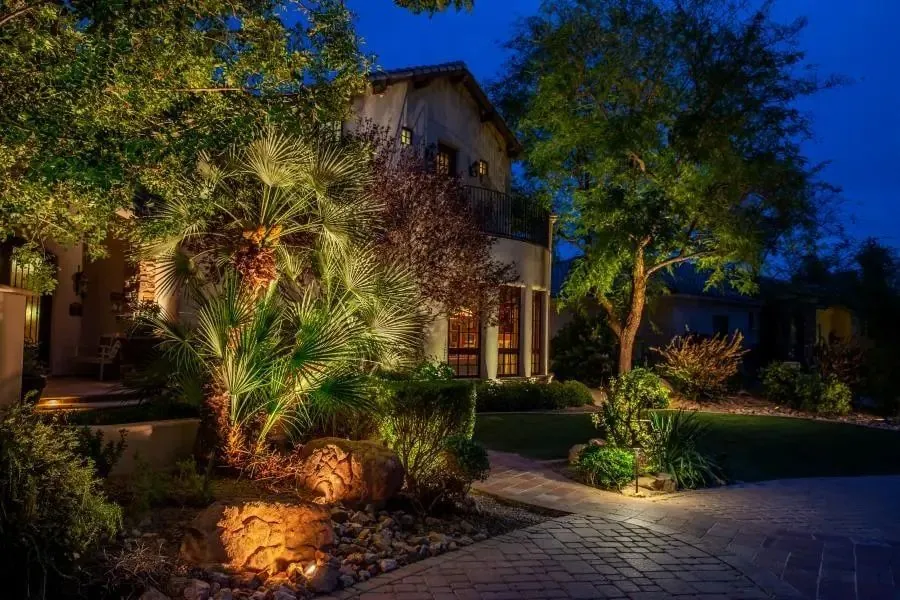
Florida's climate is an invitation to live outside, and homeowners are designing for it. The backyard is increasingly treated as another room of the house, anchored by pavers, outdoor kitchens, landscape lighting, fire features, and tiki huts. A paver patio defines the space, an outdoor kitchen makes it usable for entertaining, low-voltage lighting extends the hours you can enjoy it, and a tiki hut or pergola adds shade and a sense of retreat. Done well, these elements do not just sit next to the landscape, they are woven into it, so the planting and the hardscape feel like one cohesive design rather than separate projects.
Lower-maintenance, climate-resilient design
Across every project, the throughline is resilience. Homeowners want landscapes that hold up to heat, drought, heavy summer rain, and the occasional storm, without demanding constant upkeep. That favors tougher plant choices, generous mulch, smart grading and drainage, and bed layouts that are easy to maintain. It also favors design that plans for growth: choosing the right mature size for each plant and leaving room for trees to fill in means a landscape that looks intentional for years, not one that needs to be torn out and redone as it overgrows.
Pollinator gardens that do more than look good
A growing number of homeowners want their yards to give something back. Pollinator gardens built around nectar and host plants bring butterflies, native bees, and birds back to the landscape. Florida-native flowering plants make this easy and beautiful at the same time, turning a corner of the yard into a small, living habitat that also happens to be one of the most colorful parts of the property.
Hardscape and softscape, designed together
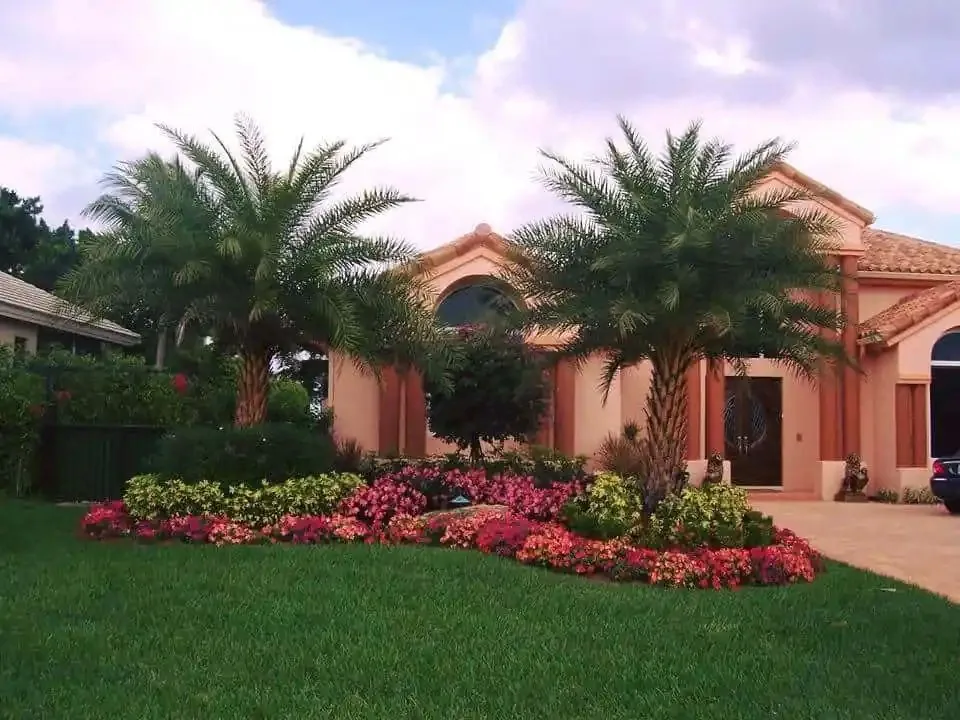
Maybe the most important trend is not any single feature, it is the philosophy of integrating hardscape with softscape from the start. Walkways, patios, driveways, and walls are the bones of a landscape, and the plantings are what bring them to life. When both are designed together, the result is year-round curb appeal that feels considered from the curb to the back fence. This is exactly where a design-build team earns its keep. One designer who walks your property, plans the hardscape and the plantings as a single vision, and sees the project through to installation avoids the disconnect that happens when separate crews handle separate pieces, an approach you can see on our residential landscaping page.
Where this leaves your yard
These trends all reinforce each other. Florida-Friendly principles, native and drought-tolerant plants, smart irrigation, outdoor living spaces, and resilient, integrated design add up to a landscape that is more beautiful, more usable, and easier to live with than what came before. The yards being built today are designed to thrive in Florida, not just survive it. If you are thinking about a refresh or a full transformation, the best first step is a conversation: we will walk the yard, talk through what is possible, and put together a plan that fits your vision and your budget.